Strength in Numbers? How to Actually Read a CBD Label on a Leeds Shop Shelf
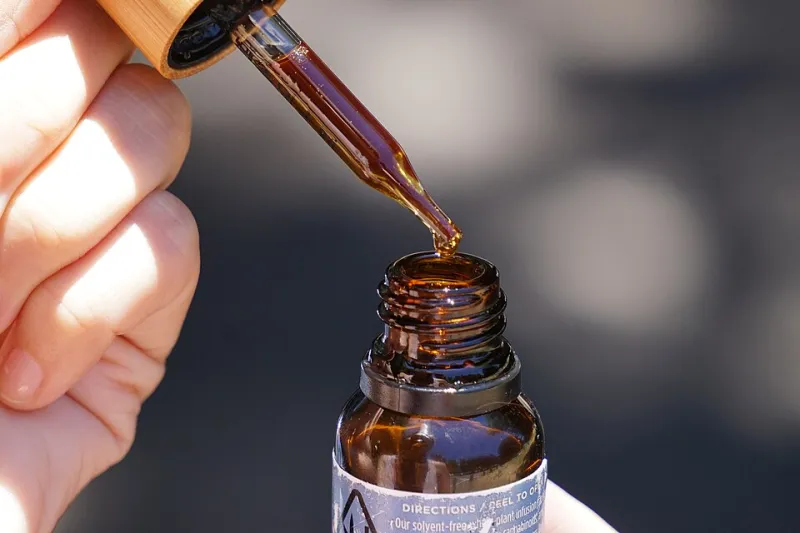
Photo: elsaolofsson, CC BY 2.0, via Wikimedia Commons
Walk into a Leeds CBD shop — or, more likely, stand in front of a counter in Headingley with a bus to catch — and the labels all seem to be in a competition. One bottle says 500mg. Another says 1000mg. A third says 10%. None of them are lying, exactly. They’re just answering different questions, and the one you’re actually asking is usually: how much CBD do I get in a go, and what does that cost me?
That’s the milligram muddle. It’s not a scandal. It’s just a labelling habit that makes a big number look like a better buy. Let’s untangle it without the marketing gloss.
First, the number on the front
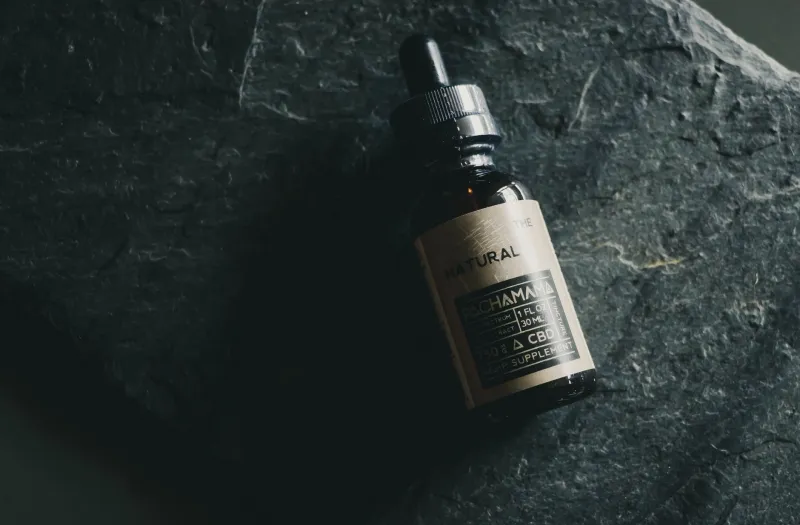
A bottle labelled “1000mg” is usually telling you the total amount of CBD in the whole bottle. Not per drop. Not per serving. The entire contents. That’s a useful fact, but it’s only half a fact.
Think of it like a bag of coffee beans. A 1kg bag sounds impressive until you realise you’re making one tiny espresso a day and the other bag is 250g of a much stronger roast. Weight alone doesn’t tell you what the cup is like.
In the same way, a 1000mg bottle with a 30ml capacity and a 500mg bottle with a 10ml capacity are not the same thing at all. The first is diluted across three times as much oil. The second is more concentrated. If you compare them by the front-of-bottle number alone, you’re comparing the size of the bag, not the strength of the brew.
Percentage, milligrams, and the bit nobody reads
Some Leeds shops label by percentage instead. A 10% CBD oil means 10% of the bottle’s contents, by volume, is CBD. That’s a clearer signal of concentration — but it still needs the bottle size to mean anything.
Here’s the rough maths: a 10ml bottle at 10% contains about 1000mg of CBD. A 30ml bottle at 10% contains about 3000mg. Same percentage, very different total. Neither is “better” until you know how much you’re meant to take and how long the bottle lasts.
The small print — the bit printed in grey on the side — is where the serving size lives. It might say “each drop contains approximately 2mg” or “a serving is 4 drops.” That’s the number that actually connects the bottle to your day. Without it, the front label is just a headline.
The dropper maths (do this once)
Most CBD oils come with a dropper that holds about 1ml. If the bottle says “20mg per 1ml serving,” then one full dropper is your serving. If it says “10mg per drop,” that’s a very different bottle — and a very different price per day.
A quick way to compare: divide the total milligrams by the number of servings in the bottle. If a 10ml bottle has 200 servings of 1mg each, that’s one thing. If a 10ml bottle has 20 servings of 10mg each, that’s another. The bottle with the bigger front number might actually give you fewer servings.
This is also where a lot of Leeds shoppers get caught out by the “value” bottle. A 3000mg bottle at £90 sounds premium. If it’s a 30ml bottle with a 1ml dropper, you’re getting roughly 100mg per full dropper — which may be far more than you need, or exactly right, depending on what you’re used to. The point is to know which one you’re buying.
Two bottles, one fair test
Say you’re in a shop on Otley Road and you’ve got two bottles in your hands. Bottle A is 500mg in 10ml. Bottle B is 1000mg in 30ml.
Bottle A is more concentrated: roughly 50mg per 1ml. Bottle B is roughly 33mg per 1ml. So the “smaller” bottle is actually stronger per drop. If you take a full dropper, Bottle A gives you more CBD per serving. If you take a few drops, the difference matters less, but the bottle will last a different length of time.
Now look at price per milligram, not price per bottle. Bottle A at £30 works out at 6p per mg. Bottle B at £45 works out at 4.5p per mg. Bottle B is cheaper per milligram, but you’re buying more total CBD and a bigger bottle. Neither is automatically the smarter buy — it depends on whether you’ll actually use it before it goes past its best.
That’s the fair test: concentration, serving size, total servings, and price per milligram. Four numbers, not one.
What to ask behind the counter in Leeds
A good independent shop won’t mind these questions. In fact, they’re a decent way to tell whether the person behind the counter knows their stock or just knows the poster in the window.
Ask: “How many milligrams are in a full dropper?” Ask: “How many servings does this bottle actually contain?” Ask: “Is this total CBD, or CBD plus other cannabinoids?” And ask: “Can I see the lab report?” A batch-specific certificate of analysis should show the cannabinoid content, and it should match the bottle in your hand — not a generic PDF from 2023.
If the answer is a shrug and a repeat of the front label, that’s useful information too. You’re not being difficult. You’re just reading the whole label instead of the loudest part.
Why bigger isn’t automatically better in 2026
The CBD market has grown up a bit. The Novel Food rules have tightened, more brands are publishing proper lab reports, and the days of “mystery oil in a shiny bottle” are slowly receding. But the big-number habit hasn’t gone away, because it works. A 2000mg bottle looks more serious than a 500mg one, even when the 500mg bottle is stronger per drop and half the price per serving.
There’s also the practical side. A high-strength bottle is only good value if you use it consistently. If you’re new to CBD, a smaller, clearer bottle with a sensible serving size is often the more honest starting point. You can always size up once you know how your body responds — and once you know how long a bottle actually lasts in your kitchen cupboard.
A short checklist before you pay
Before you hand over your card in a Leeds shop, do a quick scan: total milligrams, bottle size, serving size, servings per bottle, price per milligram, and lab report. That’s it. It takes about thirty seconds and it turns a confusing shelf into a fair comparison.
The number on the front is a starting point, not a verdict. The real question is simpler: what do you get in a dropper, how often will you use it, and does the price make sense for that? Answer those, and the milligram muddle stops being a muddle at all.