Rinse, Separate, Sorted: The Leeds Kitchen-Sink Guide to CBD Packaging in 2026
CBD comes in small bottles, but the packaging adds up. Amber glass, a plastic dropper, a rubber teat, a cardboard carton, a leaflet, sometimes a shrink-wrap sleeve. In a Leeds kitchen, the temptation is to tip the lot into the recycling bin and hope for the best. In 2026, that is not a great plan. The kerbside system is stricter than many of us assume, and a bottle still slick with oil can spoil otherwise good recycling.
This is not about being perfect. It is about getting the obvious bits right, knowing where the awkward bits go, and asking before you buy if a shop has a take-back scheme. Here is the kitchen-sink version.
Start at the sink, not the bin
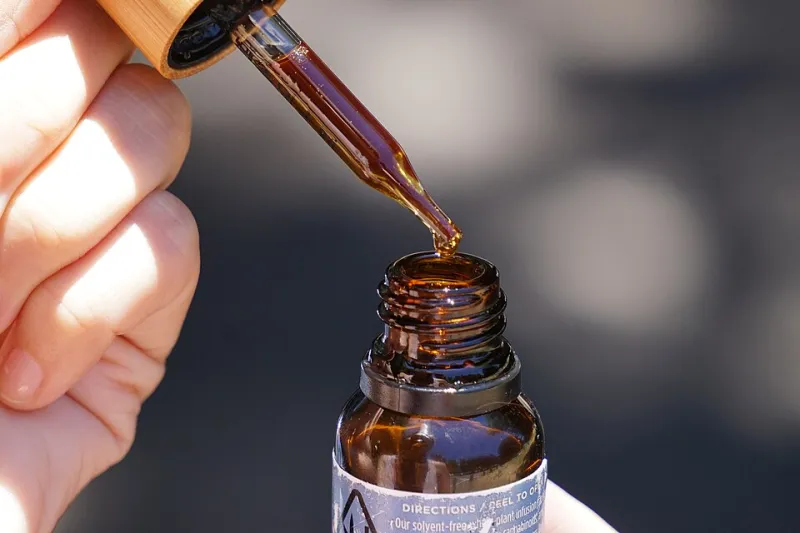
The single most useful thing you can do with an empty CBD dropper bottle is rinse it. Not obsessively, not with boiling water, just enough to remove the oily film. Leeds City Council’s recycling service wants containers to be empty and clean. A bottle with a teaspoon of CBD oil left in it is not empty. It is contaminated, and contaminated packaging is one of the main reasons a load gets rejected.
Warm water and a drop of washing-up liquid is fine. Shake it, rinse it, leave it upside down on the draining board. If you cannot get it clean — say the oil has gummed up around the shoulder of the bottle — put it in general waste rather than the recycling bin. One small bottle in the wrong bin is annoying. A bottle that leaks oil over paper and card in the recycling truck is worse.
What Leeds actually wants in the kerbside bin
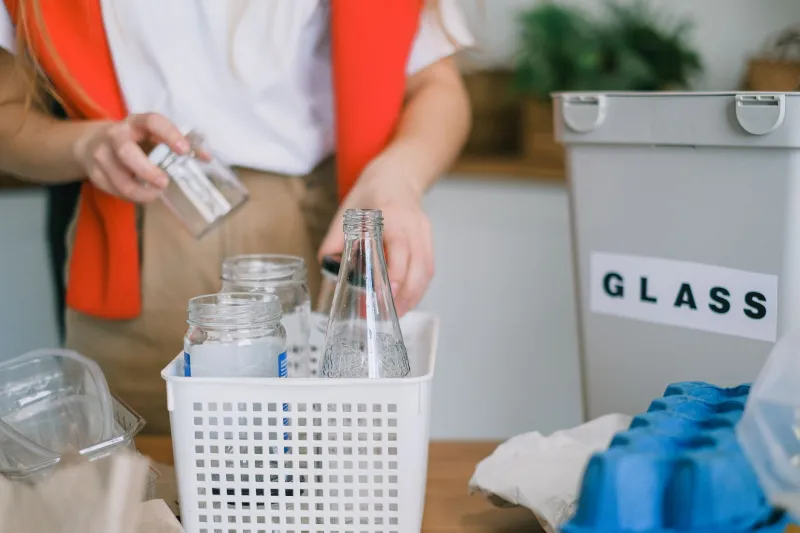
Leeds City Council’s kerbside recycling service is built around the usual UK list: empty glass bottles and jars, plastic bottles, tubs and trays, paper and card, metal tins and cans. The rules are not a secret, but they are specific. Soft plastics, plastic film, crisp packets and anything with food or drink residue are not part of the standard kerbside mix. If you live in a flat with communal bins, the same principle applies: clean and empty first, unsure items last.
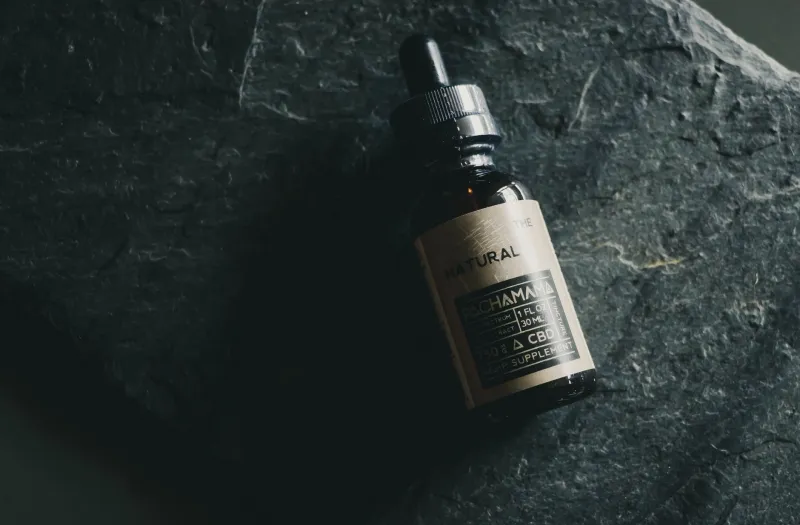
For CBD packaging, that means the amber glass bottle can usually go in with your glass bottles and jars once it is rinsed and the dropper is out. The cardboard carton and paper leaflet can go in with paper and card. The plastic screw cap is a maybe. Some councils accept plastic bottle tops, some prefer them off, and Leeds changes with contract and sorting technology. Check the council’s recycling A-Z for the current line rather than guessing from an old leaflet stuck to the fridge.
The dropper is the awkward bit
CBD droppers are often a mix of materials: a plastic collar, a rubber bulb, a glass or plastic pipette. Mixed-material items are the enemy of kerbside recycling. They are difficult to separate, and many MRFs — the sorting plants where our bins end up — will pull them out as residue.
In most Leeds households, the sensible default is general waste for the whole dropper assembly. If the pipette is glass and the bulb is rubber, do not put the glass part in the glass recycling unless your council explicitly says so. Broken pipettes are a hazard for sorters, and small glass pieces can contaminate other recycling. If the dropper unscrews into clearly separate plastic and rubber parts, check the council A-Z. If it does not, bin it. It is a small item, and it is not worth a recycling centre standoff.
Cartons, leaflets and the paper trail
CBD cartons are usually straightforward. Remove any plastic window, plastic sleeve or security sticker, flatten the card, and put it in with paper and card. Leaflets go the same way. If the leaflet is glossy and heavily laminated, check before recycling; some coated papers are accepted, some are not. A plain paper leaflet is an easy yes.
The shrink-wrap sleeve around a bottle is usually soft plastic. That means general waste in most Leeds kerbside collections. Do not put it in with carrier bags unless your local supermarket has a soft-plastic collection point and accepts that type of film. Supermarket front-of-store collections are not a licence to recycle every bit of plastic at home.
What shops and pharmacies will take — and won’t
This is where expectations need managing. A pharmacy is set up to take back unwanted medicines, not general packaging. CBD oil bought as a food supplement is not the same as a prescribed medicine, and a pharmacy counter is not a recycling bank. Some pharmacists will accept empty medicine blister packs or unwanted medicines through safe disposal routes, but that does not mean they will take your amber dropper bottle, carton and leaflet. Ask first. Do not leave a bag on the counter and walk off.
Specialist schemes exist, but they are patchy. Some beauty and wellness packaging schemes accept pumps, caps and small bottles through drop-off points, often run by TerraCycle or similar. Not all accept CBD packaging, and not all Leeds shops are signed up. Check the scheme’s accepted-waste list before you carry a bag across town.
Independent CBD shops in Leeds are a mixed bunch. Some will take back empty bottles for reuse or recycling if they have a scheme and the bottle is clean. Many will not, because of hygiene and storage. When we asked around, the consistent message was simple: ask before you buy. A shop that cannot take packaging back should say so clearly. A shop that can should tell you exactly what it wants — rinsed bottles, caps off, labels removed or left on.
A five-minute routine that works
Empty the bottle. Rinse it. Remove the dropper. Put the glass bottle in the kerbside recycling. Put the dropper in general waste unless your council says otherwise. Flatten the carton and recycle it with paper and card. Bin the soft plastic sleeve. Check the cap. If you are unsure, use Leeds City Council’s recycling A-Z rather than a social media post from three years ago.
That routine will not save the planet on its own, but it keeps the obvious contaminants out of the recycling stream. In a city with tight bin schedules and enough confusion about what goes where, that is a decent start.
The bigger picture: packaging choices before disposal
Disposal is the last decision, not the first. If you are buying CBD in Leeds in 2026, look at the packaging before you pay. A shop that sells refills, uses paper cartons instead of plastic sleeves, or has a clear take-back policy is making your life easier. A bottle that is easy to rinse and a dropper that separates cleanly are small design wins.
The amber bottle will still need to go somewhere. The difference is whether you are standing at the sink guessing, or standing there knowing. Rinse, separate, sorted — and when in doubt, ask the shop or check the council’s current rules. That is the Leeds way: practical, local and not too precious about a small bottle.