From the Loading Bay to the Bus Stop: A Leeds Manual Worker’s Guide to CBD That Fits the Shift

Photo: William H Rease, Public domain, via Wikimedia Commons
There’s a particular kind of tired that settles in around 3pm on a Leeds warehouse floor. Your back has been telling you something since the morning huddle, your knees have done more squats than a gym rat, and the bus home is still an hour away. It’s the same story in Kirkgate Market, on a scaffold in Hunslet, or behind a counter in Armley. So when someone mentions CBD oil, it’s tempting to think: finally, something for the ache.
Here’s the honest version. CBD is not a painkiller in the way that paracetamol or ibuprofen is. It won’t numb a trapped nerve or fix a worn joint. What it might do — and the evidence is still modest — is take the edge off the general grind: the stiffness, the low-level background hum of a body that’s been used all day. That’s worth knowing before you spend £40 on a bottle.
This guide is for the people who spend their working lives on their feet, on their knees, or behind the wheel of a forklift. No miracle claims. Just practical timing, sensible counter questions, and a clear line between “I’m a bit stiff” and “I need to see someone”.
First, the Uncomfortable Bit: CBD Is Not a Wheelbarrow
If you’ve got a specific injury — a torn muscle, a swollen knee, a back that locks when you bend — CBD is not the tool for the job. It won’t reduce inflammation in the way a doctor would want to, and it won’t repair tissue. What it can do, for some people, is help with the wind-down after a physical shift, or take the sharpest edge off the frustration of chronic achiness.
That matters in Leeds, where a lot of us work in jobs that don’t come with a desk and a chair that adjusts. Market traders haul crates before dawn. Warehouse staff cover miles on concrete. Construction crews spend the day on uneven ground. CBD is a small part of a bigger picture: stretching, sleep, hydration, and not ignoring a problem for six months.
Timing It Around a Leeds Shift
The most common mistake is treating a dropper like a painkiller: take it when it hurts, expect relief in 20 minutes. CBD doesn’t work like that. It builds up slowly, and the timing that suits a night shift in Beeston is not the timing that suits a 6am start in Headingley.
A few practical anchors people talk about:
- After the shift, not before. If you’re operating machinery, driving a van, or working at height, don’t introduce a new supplement right before your shift. Start on a day off, or after you’ve clocked out.
- Give it an hour or two before the bus home. That way you’re not experimenting at 11pm when you’re already knackered. A small dose with a bit of food, then a warm shower, is a gentler routine than chasing a feeling.
- Keep a note. Two weeks of “10mg at 7pm, back felt the same, slept better” is more useful than a vague memory. Leeds counter staff will ask you what you’ve tried; a note on your phone is enough.
- Don’t stack doses. If you’ve taken a dropper at 6pm, don’t take another at 8pm because nothing happened. CBD is not fast-acting in that way, and more isn’t better.
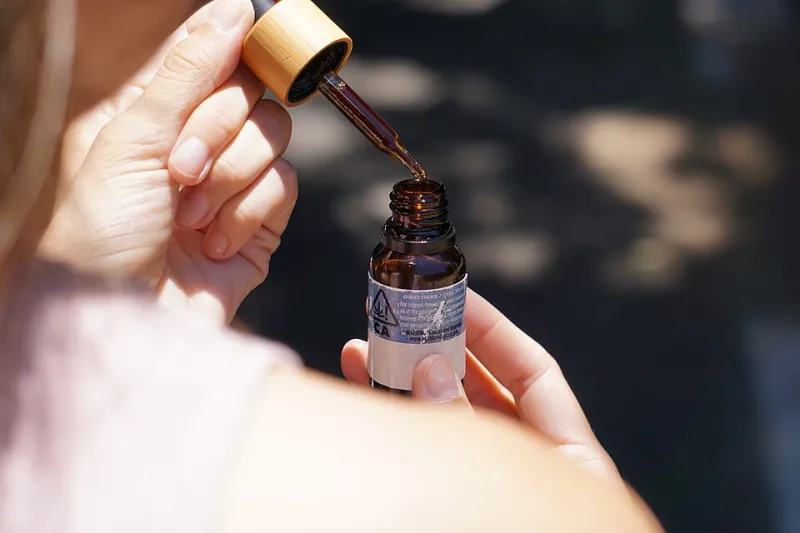
Start low. The label on most UK bottles will give a range, and a common starting point people discuss is 10–20mg once a day. Follow the product you buy, not a forum post. If you’re on prescription medication — especially blood thinners, epilepsy drugs, or anything for blood pressure — speak to a pharmacist before you start. That’s not a disclaimer for the sake of it; it’s the sensible move.
What to Ask at a Leeds Counter
There are good shops in Leeds and there are chancers. The difference usually comes down to whether they can answer three questions without flinching.
1. Can I see the batch certificate? Every legitimate CBD product should have a certificate of analysis (COA) from a lab. It should match the batch number on the bottle. If the shop can’t produce one, walk.
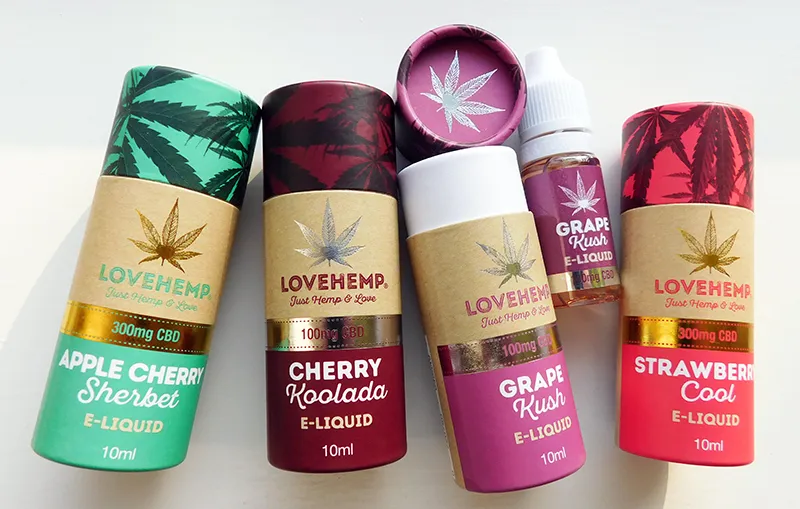
2. How many milligrams per drop? This is the number that actually matters. A 10ml bottle with 500mg total is not the same as a 10ml bottle with 1,000mg. Ask how many drops are in a bottle and do the maths. Price per milligram is the only fair comparison between two products.
3. Is it full-spectrum, broad-spectrum or isolate? Full-spectrum contains trace THC — within the UK legal limit — and some people prefer it. Isolate is just CBD. Broad-spectrum sits in between. There’s no “best” here, but you should know what you’re buying.
Also worth asking: what’s the returns policy if the seal is broken? Most Leeds shops will be reasonable if you’ve bought the wrong strength, but it’s easier to ask before you pay. And check the label for a UK Novel Food application number. Since the rules tightened, reputable brands have had to notify their products. A market stall selling unlabelled bottles at £15 a pop is not the same as a shop with a paper trail.
The Balm Question
A lot of manual workers ask about CBD balms and creams, and it’s easy to see why. Rubbing something into a sore knee feels more intuitive than swallowing a drop. The evidence for topical CBD is even thinner than for oil, but some people find the massage itself helps. If you’re going to try one, treat it as a comfort product rather than a treatment. Don’t use it on broken skin, and don’t expect it to replace a physio appointment.
When to Park the Dropper and Ring the GP
This is the part that matters most. Aches after a hard shift are normal. Certain aches are not. Book an appointment if you notice any of the following:
- Back pain that wakes you at night, or comes with numbness down your leg, weakness, or trouble controlling your bladder or bowels.
- A knee or shoulder that swells, feels hot, or gives way when you put weight on it.
- Pain after a fall or a knock at work that hasn’t settled within a week or two.
- Tingling or numbness in your hands that doesn’t go away — especially if you use vibrating tools.
- Unexplained weight loss, a fever, or pain that’s getting steadily worse rather than better.
CBD won’t fix any of those. Your GP will. And if you’re self-employed or on a zero-hours contract, it’s still worth going — the earlier something is looked at, the less time you lose off the tools.
A Sensible Week for a Leeds Worker
If you want a routine that doesn’t take over your life: buy one bottle from a shop that shows you the paperwork, start at the low end of the label, take it after your shift for two weeks, and write down what you notice. Keep it away from the windowsill — especially in a Leeds terrace where the sun and the radiator do strange things to oil. Don’t mix it with a pint on an empty stomach and expect to feel wonderful. And don’t let it become a reason to ignore the ache that’s been there since March.
CBD is a small, optional extra. Your back is not. Treat the dropper bottle like a pair of decent work boots: useful, worth buying properly, but no substitute for looking after the thing it’s meant to support.