Ask Before You Drop: A Leeds Pharmacy Counter Guide to CBD in 2026

Photo: Unknown photographer, Public domain, via Wikimedia Commons
Walk into most Leeds pharmacies and you’ll see the usual choreography: prescriptions handed over, questions about antibiotics, a quiet word about hay fever. What you won’t always see is someone pulling a CBD dropper bottle out of a bag and asking whether it’s a good idea. That’s a shame, because pharmacists in Headingley, Chapel Allerton, Kirkstall and the city centre are often the best free health sounding board we’ve got.
CBD isn’t a medicine, and pharmacy staff aren’t there to prescribe it. But they are trained to spot interactions, read labels and ask the sort of blunt questions that internet forums never do. In 2026, with more CBD products on Leeds high streets than ever, the counter conversation is worth having before you drop, not after.
Start with the medicine list, not the bottle
The question pharmacists wish more shoppers would ask is simple: ‘I take these medicines — is CBD likely to interact with any of them?’
That matters because CBD can affect how the body processes certain drugs. It’s not a guarantee of trouble, and it’s not a reason to panic, but it is a reason to check. Medicines for epilepsy, blood thinners such as warfarin, some immunosuppressants and certain antidepressants are the sort of things a pharmacist will want to know about. They may also ask about liver conditions, pregnancy, breastfeeding or upcoming surgery.
None of this means you need to announce your CBD habit to the whole queue. It means bringing the actual product — or a photo of the label — and being honest about what else you take. A pharmacist can’t give you a personalised CBD prescription, but they can tell you whether the combination is worth discussing with your GP or specialist. That’s useful, and it’s free.
‘How much?’ is not a daft question
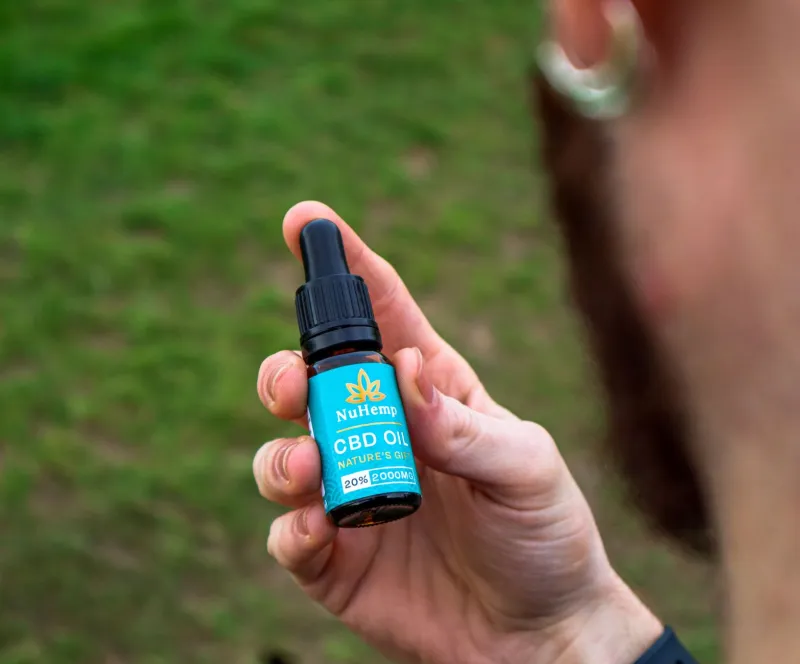
Dosage confusion is the quiet ache of the CBD aisle. One bottle says 10%, another says 1,000mg, another says 20mg per ml. A shopper in Leeds might reasonably wonder whether they’re comparing a teacup to a bath.
Pharmacists wish more people would ask: ‘Can you show me what this actually means per drop?’ A good counter conversation will break down milligrams per bottle versus milligrams per serving. It will also gently point out that starting low and keeping a short diary — date, amount, how you felt — is more sensible than copying a dose from a video.
The pharmacy isn’t a CBD shop, so don’t expect a product recommendation. Do expect help with the maths. If a label is vague, missing batch details or promises the earth, that’s information too. A pharmacist may not be able to vouch for the product, but they can usually spot a label that’s trying to avoid straight answers.
Read the label like a Leeds bus timetable
We’re used to squinting at timetables and hoping for the best. CBD labels deserve the same scrutiny, minus the hope.
Useful questions include: Where was the hemp grown? Is there a batch number? Can I see a third-party lab report? What’s the THC level? Is the product covered by Novel Food rules? In the UK, CBD products sold as food supplements should sit within the Novel Food framework, and reputable sellers should be able to point to testing and compliance information without huffing.
Pharmacists often see people who have bought a bottle because the packaging looked clinical. Packaging is not proof. A clean white label with a green leaf does not tell you whether the batch was tested. If the person behind the counter can’t answer basic questions about testing, origin or THC content, that’s not a personality flaw — it’s a reason to walk away.
The awkward questions are the useful ones
Some of the most helpful CBD questions are the ones people feel silly asking. Can I use it if I’m pregnant or breastfeeding? What about before driving? Is it fine with my blood pressure tablets? I’ve got a liver condition — should I bother? I’m having surgery next month; do I need to stop?
Pharmacists would rather hear these than watch someone guess. They won’t always have a neat answer, because CBD research is still catching up and products vary wildly. But they can flag when a GP conversation is sensible, and they can remind you not to stop prescribed medication on the strength of a blog post.
Driving is a good example. CBD products should not contain more than trace THC, but ‘should not’ is not the same as ‘definitely doesn’t’. If you’re unsure about a product, or you feel drowsy, don’t drive. A pharmacist can’t certify your dropper bottle for the roadside, but they can remind you that the law and your body both deserve respect.
When to walk away from the counter
Leeds has plenty of decent CBD retailers, and plenty of nonsense too. Pharmacy staff wish shoppers would trust their instincts when a sales pitch starts sounding like a miracle cure.
Walk away if someone claims CBD treats cancer, cures anxiety or replaces prescribed medicine. Walk away if they pressure you to buy a bulk order before you’ve tried a small one. Walk away if there’s no batch number, no lab report and no clear answer about THC. And walk away if the person selling it gets defensive when you ask a basic question.
A good retailer will welcome the questions. A good pharmacy will help you frame them. Neither should make you feel daft for asking.
A short script for the Leeds counter
You don’t need a speech. Try this:
- ‘I take these medicines. Is CBD likely to interact with any of them?’
- ‘Can you show me how to work out the milligrams per drop?’
- ‘Does this product have a batch number and a lab report I can check?’
- ‘Should I avoid driving after taking it?’
- ‘Who should I speak to if I feel unwell or unusual?’
That’s it. It takes two minutes, and it turns a vague wellness purchase into something a bit more grounded.
CBD is not a secret, and it shouldn’t be a shameful one either. In Leeds, we’re good at talking to strangers in queues, moaning about buses and asking for directions. Asking a pharmacist about a dropper bottle is no stranger than that. This isn’t medical advice — it’s a prompt to use the free expertise already behind the counter. In 2026, that’s a conversation worth having before you drop.