Key in Hand, Label in Mind: A Leeds Driver’s Reality Check on CBD and Roadside Tests
If you use CBD and drive around Leeds, the questions aren’t really about the bottle in your glovebox. They’re about what’s in the bottle, what the label actually says, and what happens if you’re asked to take a roadside drug test. This isn’t a scare story. It’s a plain-English guide for Leeds drivers who want to stay on the right side of the law and the right side of common sense in 2026.
First, the bit that matters: CBD isn’t the THC test
Let’s clear the fog. The roadside drug test used by police in England and Wales is not a CBD test. The saliva swab screens for THC — the psychoactive compound in cannabis — along with other drugs such as cocaine and opiates. CBD itself is not the target.
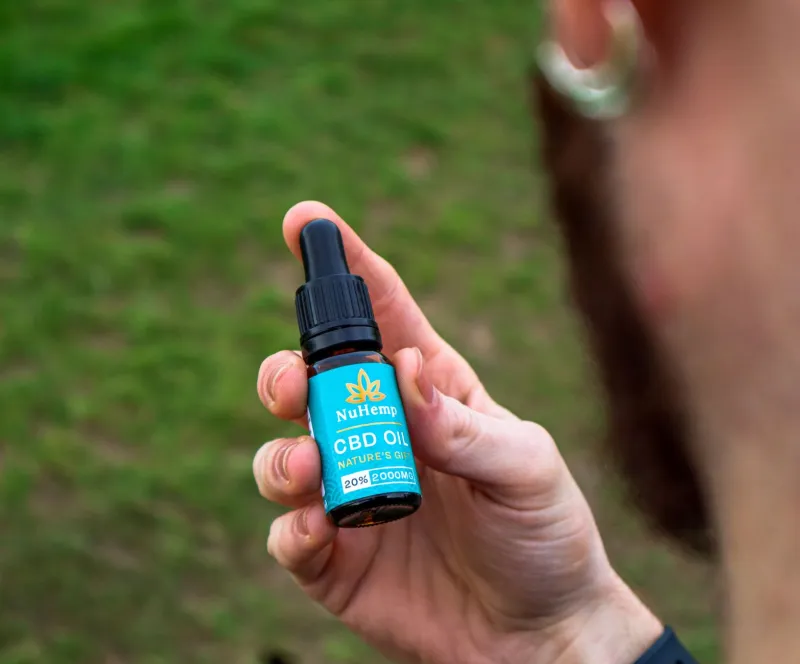
That’s the reassuring part. The less reassuring part is that ‘CBD product’ does not automatically mean ‘zero THC’. UK CBD oils are sold as food supplements, not licensed medicines, and legal products should contain only trace levels of controlled cannabinoids. But trace is not the same as zero, and labels and lab reports vary from shop to shop. If you’re using a full-spectrum oil, or a product with a fuzzy label, you’re relying on the maker’s quality control. That’s why batch-specific lab reports matter more than the nice font on the front of the bottle.
What UK law actually says about THC and driving
In England and Wales, there is a specified legal limit for THC in blood: 2 microgrammes per litre. That sits under section 5A of the Road Traffic Act 1988. There is also the older offence of driving while unfit through drugs, which can apply even if you’re under a specified limit but clearly impaired.
For CBD users, the practical points are simple. There is no official ‘safe’ amount of THC for driving, and no official waiting time that guarantees you’ll be under the limit. Metabolism, dose, product type and body composition all vary. Anyone who tells you ‘just leave it two hours’ is guessing. The law doesn’t work on vibes, and neither does a blood test.
If you’re using CBD isolate, the THC risk is lower by definition, but you still need a credible lab report. If you’re using broad-spectrum or full-spectrum, read the certificate of analysis carefully and don’t assume ‘legal to sell’ means ‘irrelevant to a drug-driving limit’. Those are different questions.
Your label is the first roadside test
Before you worry about the police, worry about the paperwork. A decent CBD label should tell you the CBD content per ml, the carrier oil, whether it’s isolate, broad-spectrum or full-spectrum, and the batch number. The lab report should match that batch and show cannabinoid levels, including THC.
If a Leeds shop can’t produce that information, treat it as a warning sign. This isn’t about being snobby. It’s about knowing what you’re putting in your body before you drive into town, head down the A64 or nip out to Otley for the afternoon. A product with no traceable batch is a product you can’t properly assess.
Also be honest about dose. A couple of drops is not the same as a large serving of a strong full-spectrum oil. More product means more chance of trace cannabinoids adding up, and more chance of feeling drowsy or foggy — which is its own driving problem, regardless of THC.
The roadside swab: what happens, without the urban legends
If police stop you and suspect drug use, they can ask for a roadside saliva test. It’s quick, usually a swab across the mouth, and a result can come back in minutes. A positive screening test doesn’t mean you’re automatically guilty. It usually means you’ll be arrested and taken for a blood sample, which is the evidence that matters for the specified limit.
Refusing a blood test without a reasonable excuse is its own offence, so ‘I’ll sort it later’ is not a strategy. And ‘I only took CBD’ is not a legal defence if the blood test shows THC above the limit or if the officer believes you’re impaired. The law looks at the evidence, not the receipt in your pocket.
Some CBD users worry about false positives. The honest answer is that a good-quality isolate is unlikely to contain THC, but no one can promise that a cheap, mislabelled or full-spectrum product won’t cause a problem. CBD itself is not what the swab is designed to detect. THC is. Keep the two ideas separate.
Leeds routes and the ‘I feel fine’ trap
Driving in Leeds city centre is fiddly enough without adding a dose of foggy-headedness. The Inner Ring Road, the Armley gyratory, the endless roadworks and the Friday afternoon crawl out towards the A64 all demand attention. If you feel slower, sleepier or less sharp after CBD, don’t drive. That’s not a legal lecture; it’s just sensible.
The same goes for weekend routes out to the Dales. The A65 towards Ilkley, the run up through Otley and the quiet lanes beyond are lovely when you’re clear-headed. They’re less lovely when you’re second-guessing your reactions. CBD affects people differently, and ‘I feel fine’ is not a measurement. If you’re combining CBD with alcohol, antihistamines or anything else that causes drowsiness, the risk goes up again.
And if you’re a prescription cannabis patient, the rules around driving still matter. A prescription is not a magic shield. You must not drive if you’re impaired, and you still need to take the THC limit seriously. Carry your prescription and get proper legal advice if you’re unsure — but don’t assume the roadside conversation will be simple.
A sensible pre-drive checklist for Leeds CBD users
None of this needs to be dramatic. A few habits make life easier:
- Buy from shops that provide batch-specific lab reports, not vague ‘certificates’ with no batch number.
- Know whether your oil is isolate, broad-spectrum or full-spectrum, and check the THC figure on the report.
- Don’t treat CBD as a pre-drive pick-me-up. If it makes you drowsy, it’s a no-drive product for you.
- Avoid mixing CBD with alcohol or other sedating medicines before driving.
- Don’t rely on a fixed waiting time. There isn’t an official one that fits everyone.
- If you’re stopped, be polite, answer questions honestly and get legal advice before saying more than you need to.
The bottom line
CBD isn’t illegal to use and drive with in any automatic sense. The roadside test is looking for THC and other drugs, and the law sets a specific THC blood limit. But ‘CBD’ on a label doesn’t guarantee zero THC, and no shop should pretend otherwise. In Leeds, where the city traffic is stop-start and the weekend routes out to the Dales can lull you into autopilot, the safest approach is boringly simple: know your product, respect the dose, and don’t drive if you feel impaired. That’s not alarmism. That’s just a decent road trip.