The Twenty-Quid Test: What Leeds CBD Shoppers Actually Get at Different Price Points in 2026
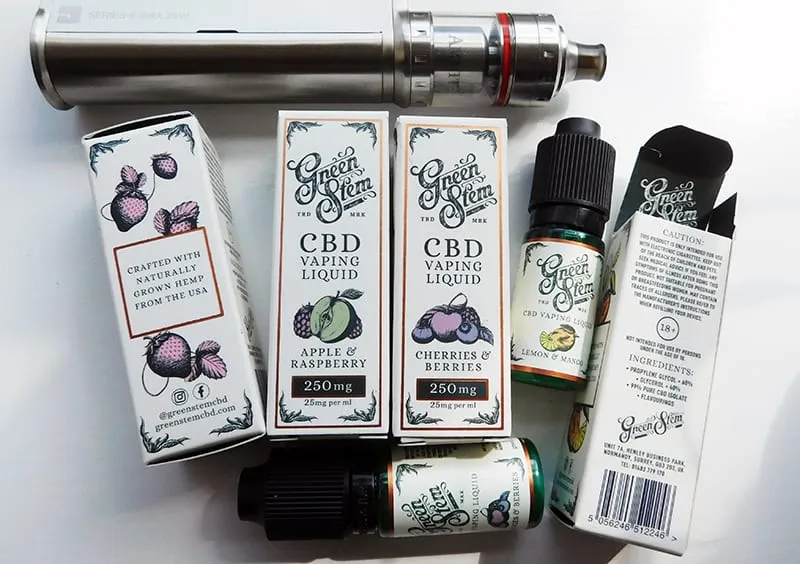
Photo: Ecig Click, CC BY-SA 2.0, via Wikimedia Commons
Standing in a Leeds shop with two CBD bottles in front of you is a peculiar kind of modern dilemma. One is £20. One is £60. Both have a dropper, both mention calm on the label, and both are staffed by someone who seems perfectly nice. The tempting assumption is that the expensive one is better. The more useful assumption is that they are simply different products with different costs behind them.
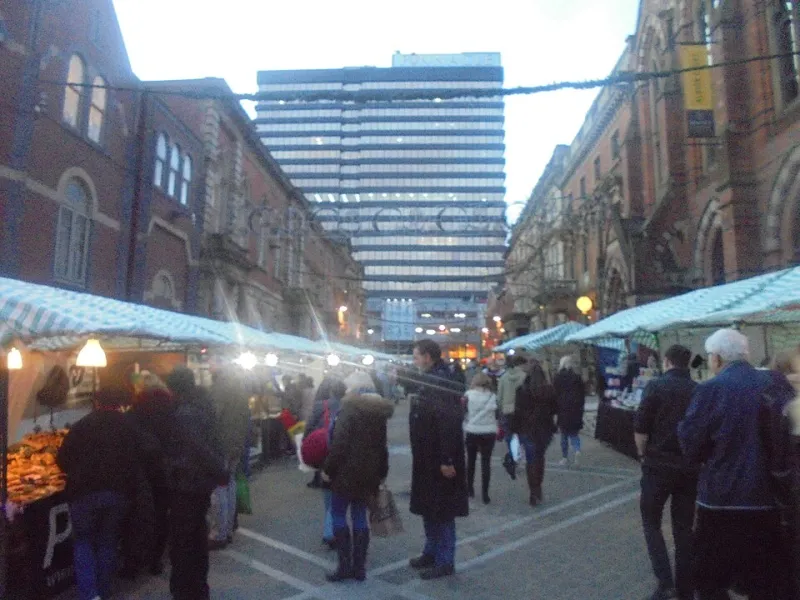
In 2026, Leeds has no shortage of places to buy CBD: independent counters in Headingley and Chapel Allerton, stalls around Kirkgate Market, and a handful of shops on or near Briggate that would happily sell you a bottle wrapped in more branding than a craft beer. The price gap is not going away. What matters is knowing which parts of that gap are worth paying for.
Start With the Maths, Not the Marketing
CBD pricing is mostly a question of milligrams. A 10ml bottle containing 500mg of CBD at £20 works out at 25mg per pound. A 10ml bottle containing 1,000mg at £60 works out at about 16.7mg per pound. On that measure, the cheaper bottle is better value. That does not make it the right bottle for you, but it does show why “premium” needs interrogating.
Look for total CBD content, not just bottle size. “Extra strength” means very little without a number. A 30ml bottle at 300mg is weaker per drop than a 10ml bottle at 500mg. If you are following the FSA’s precautionary advice of no more than 10mg of CBD per day for healthy adults, a 500mg bottle is roughly a 50-day supply at that level. That is a useful reality check when a £60 bottle is being described as an everyday essential.
Carrier Oils and the Cost of Feeling Pleasant
A fair chunk of the price difference can sit in the carrier oil. MCT oil is common, smooth and easy to take. Hemp seed oil is cheaper and often tastes more grassy. Olive oil sits somewhere in between. None of these is automatically superior, but a nicer carrier, better flavouring or a more carefully filtered product can justify some of the cost. What it does not justify is a vague claim that one oil “absorbs better” without evidence.
Labels also throw around full spectrum, broad spectrum and isolate. These describe what is in the bottle, not how well it will work for you. A cheap isolate can be perfectly clearly labelled. An expensive full-spectrum oil can still be badly dosed. Price does not settle that argument.
Lab Reports: The Bit Worth Paying For
If a shop is charging £60, it should be able to show you a batch-specific certificate of analysis. Not a generic PDF from the brand’s homepage. Not a QR code that leads to a glossy “our promise” page. A report that matches the batch number on the bottle and shows cannabinoid content, THC level and tests for contaminants such as heavy metals, pesticides, solvents and microbials.
In the UK, CBD products are expected to comply with novel food rules, and THC limits apply. A responsible retailer should be comfortable talking about this without turning it into a lecture. If the person behind the counter cannot find the lab report, or says “they’re all the same, mate”, that is not a premium experience. It is a reason to keep your wallet closed.
What £60 Might Buy — and What It Won’t
A higher price can buy a higher concentration, more transparent testing, a more pleasant carrier oil, clearer dosing information, better staff knowledge or the simple convenience of a shop that will still be there next month. Those are real things. They are not magic.
What £60 will not buy is a guaranteed medical outcome. It will not buy “pharmacy grade” in any meaningful regulatory sense, whatever the label says. It will not buy a product that works faster because it cost more. And it will not buy immunity from the need to start low and go slowly.
Red Flags on Either Shelf
A £20 bottle with no batch number is a gamble. A £60 bottle with no batch number is an expensive gamble. Watch for labels that list “hemp extract” without stating CBD content, QR codes that lead to a homepage rather than a lab report, and staff who make bold claims about anxiety, sleep or pain. CBD is not a cure, and a shop that treats it like one is not giving you honest consumer advice.
Also be wary of the opposite trick: a very cheap, very large bottle that seems too good to be true. Sometimes it is. Check the expiry date, check the dose per drop, and ask what happens if you do not get on with it.
A Leeds Shopping Script
Ask three questions before you pay. How many milligrams of CBD are in the bottle? What is the carrier oil? Can I see the batch lab report? Then ask how many milligrams are in a single drop or serving, and whether the shop accepts returns on opened products. A good independent shop will not flinch at any of this. A bad one will make you feel like you are being difficult.
In the end, the £20 bottle can be the sensible buy. The £60 bottle can be fair value. The price tag is a clue about what went into the product and the shop around it, but it is not a verdict on what the product will do for you. In Leeds, as anywhere, the label and the lab report tell you more than the shelf position ever will.