After the Novel Food Deadline: Can Leeds' CBD Counters Win Back Trust in 2026?
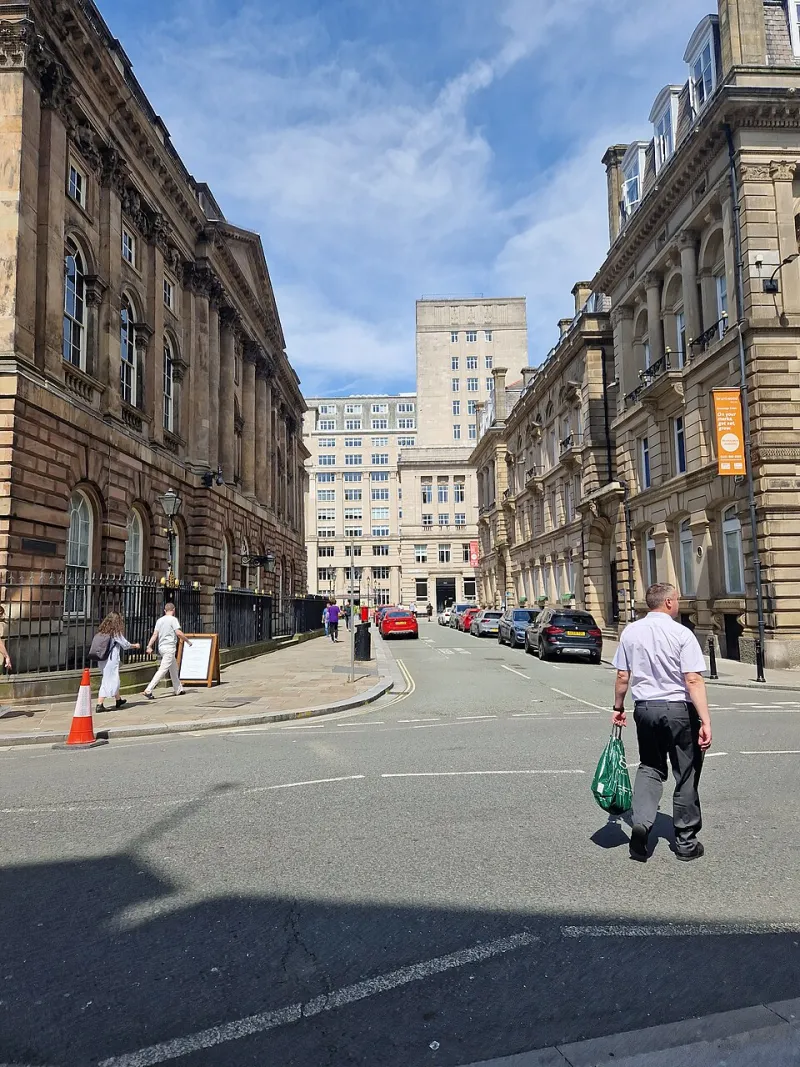
Photo: Frombowen, CC BY-SA 4.0, via Wikimedia Commons
On a grey November morning in Leeds, the CBD question has changed. For years the conversation was whether the stuff worked, or whether the shop on the corner was selling something closer to snake oil than supplement. In 2026, with the Food Standards Agency's novel food deadline now in force, the question is sharper: can the high street prove it is selling CBD that belongs on a shelf?
This is an opinion piece, not legal advice. But it is written from the pavement, not the policy briefing. I have spent the past few months popping into independent shops in Headingley, Chapel Allerton and the city centre, asking the same three questions: where is the lab report, what is the total CBD in milligrams, and who trained the person behind the counter? The answers tell you more about the state of the market than any press release.
What the novel food deadline actually changed
Novel food is the regulatory category for foods that were not widely eaten in the UK before May 1997. CBD extracts fall into it. To stay on sale legally, products need to be linked to a credible novel food application or authorisation, and the FSA has been maintaining a list of products that can remain on the market while they move through the system. The deadline for getting into that system has passed. In plain English: the era of anyone bottling a dark liquid in a back room and calling it CBD is supposed to be over.
That is a good thing. It is also messy. The list is not the same as full authorisation, and a shop that says it is FSA listed is not necessarily saying the product has completed the whole process. Consumers are right to be confused. The shops that are handling this well are not hiding behind the acronyms. They are explaining the difference between an application and an authorisation, and they are keeping batch-level paperwork where customers can see it.
How Leeds independents are adapting
Some are doing it brilliantly. In Chapel Allerton, I have seen a shop shrink its range from 40 products to 12 and put a folder of lab reports on the counter. In Headingley, one counter now prints a batch summary with every oil. In the city centre, staff at a collective-style shop have started asking suppliers for the same document twice, because they have been burned by a QR code that went nowhere. That is compliance as customer service, and it should be applauded.
Others are struggling. Smaller shops do not have compliance teams. They have a person who does the ordering, the rota and the Instagram. The paperwork is real work, and it costs money. Some have quietly dropped brands that could not provide a clear batch report. A few are still selling whatever they can get, with labels that mention percentage but not milligrams, and staff who cannot explain the difference between full-spectrum and isolate. Those shops are the reason the deadline matters.
What it means for Yorkshire consumers
In the short term, expect less choice and slightly higher prices. That is not a disaster. A narrower range with better paperwork is worth more than a wall of mystery bottles. But it does mean shoppers need to be nosier. Ask for the batch number. Ask when it was tested. Ask for the total CBD per bottle. If the person behind the counter cannot answer, do not be rude, just walk away. You are not being difficult. You are doing the job the regulation is supposed to do.
There is also a risk that regulation pushes more people online, where the same questions are harder to ask. That would be a shame. Leeds has a strong independent retail culture, and CBD is one of those categories where a conversation actually helps. A good shop can explain why a 5% oil might suit a first-time user, why a 20% oil is not automatically better, and why CBD is not a cure for everything from anxiety to arthritis. That kind of education is hard to get from a product page.
The transparency test
Here is a simple test I would like every Leeds CBD shop to pass by the end of 2026. First, a batch-specific Certificate of Analysis available in-store, not just online. Second, clear labelling of total CBD in milligrams per bottle, alongside the percentage. Third, a plain statement on THC, even if it is simply below the legal limit. Fourth, no medical claims. Fifth, a named person on the team who has been trained on the products. None of this is glamorous. All of it builds trust.
I would also like to see the independents talk to each other. A Leeds CBD charter, voluntary and simple, could do more for consumer confidence than a hundred Instagram posts. Shops that sign up would agree to the transparency test, display a sticker and accept that a customer might ask awkward questions. That is not a cartel or a trade union. It is a local answer to a national problem.
The high street question
Is Leeds ready for CBD on every high street? Honestly, I do not think every high street needs a CBD shop. Some towns have one chemist and a closed bank, and that is enough retail drama for anyone. The better question is whether the CBD shops we do have are trustworthy enough to deserve a place. On that measure, Leeds is halfway there. The best independents are already doing the work. The weaker ones are being found out.
The deadline has forced a reckoning, and reckonings are uncomfortable. But they can also be useful. If the result is fewer, clearer, better-run shops, with staff who can explain a lab report without rolling their eyes, then the high street will be better for it. If the result is a race to the bottom online, with the same old vague labels and miracle promises, then we will have learned nothing.
I know which version I would rather see in Leeds in 2026. It looks like a small shop, a printed batch report and a conversation that starts with what you actually need. That is not a regulatory triumph. It is just good local retail. And in Yorkshire, we know the difference.